
IN CONTEXT 5: Another Infrastructure (AI)
As part of the Drop Table ensemble, we are collaborating with the Clondalkin community on a programme of socially engaged arts activities exploring how technology shapes everyday life and how to build agency over the data networks we use, funded by South Dublin County Council.
For InContext Strand 5, Living Rhythms join arts ensemble Drop Table to collaborate with the Clondalkin community about how we use technology together.
According to research by TASC “Nearly 90% of Dublin’s data centres are located in economically-deprived areas. This is not an incidental pattern or a quirk of urban planning - it is a defining feature of how Ireland’s digital infrastructure has developed. Rather than being evenly distributed across the city or concentrated in already-affluent business districts, data centres are overwhelmingly clustered in communities that already face structural economic disadvantage.”
This research names Clondalkin as one of three main data centre clusters in Dublin, alongside Blanchardstown and Tallaght, communities that consistently rank below the national average on key socio-economic indicators. Residents have also raised concerns in recent weeks about issues including intrusive fumes and a persistent, low-frequency hum. With the Women's Collective, we are exploring these challenges through a four-week series of workshops questioning the environmental, ethical, and social impact of commercial technologies.

The work centres around Nora Bateson’s concept of warm data which “familiarizes groups of people with the ways in which the contexts of their lives marinate and overlap into each other, and it offers an introduction to the complexity of their own lives so that they may better see the complexity of others. Through this discovery, people begin to see how vital it is to tend to their families, and the land, and they are able to respond to emergencies with warmth.” Put simply, warm data is described as information that is alive.
The Drop Table arts ensemble brings together a team of six artists led by artistic producer Shane Finan (he/them). Details on the artists can be found The group came together for a programme of talks, workshops, artworks and food which took place in North Clondalkin Library on August 29th 2026. The event, documented below, considered alternative forms of infrastructure, such as small-scale data servers, care infrastructures, small-scale money systems, LGBT+ built online tools, and local food systems as topics to counter large-scale data infrastructure.
Our main work with the Women’s Collective began in September with a series of four workshops looking at these alternative infrastructures in more depth. Using collage and other creative approaches we worked towards making a zine titled Let’s Talk Data Centres. Each of the women created their own version of the zine based on the conversations that were held over the four weeks. This body of work will inform further engagements in November when we will carry out participatory mapping with the women to reflect on the zine making process. Each stage is designed to inform the final artistic response piece which will be showcased as part of the collective Drop Table exhibition in February 2027.
This project connects to our ongoing research and exploration of feminist movements across the world including a two part radio show on éist.
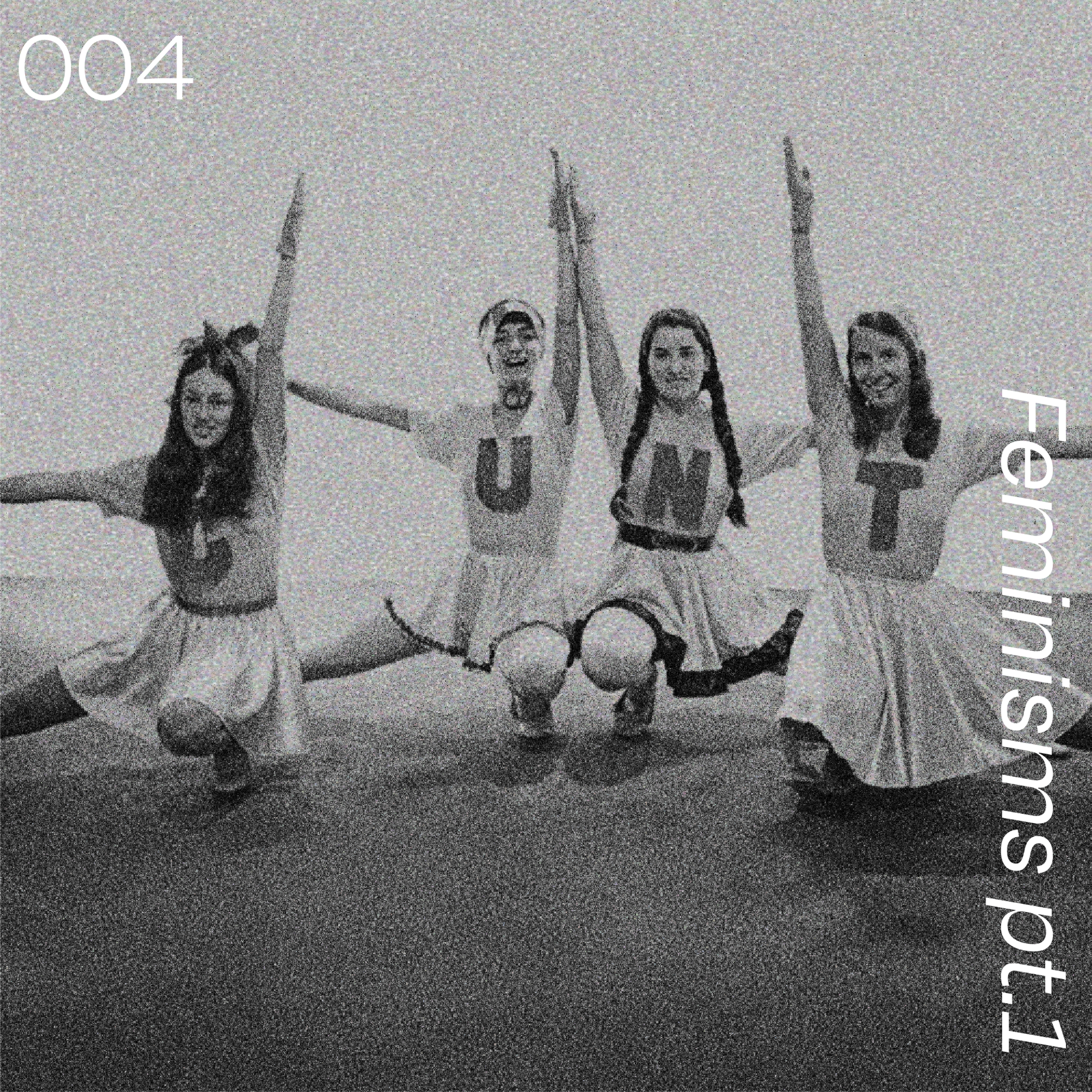
004 Feminisms pt.1
005 Feminisms pt.2
Credits
Drop Table Arts Ensemble: Shane Finan, Living Rhythms, Alisha Doody, Dasha Ilina, Paul O'Neill.
Drop Table Arts Ensemble Associates: Amy Bunce (Unwrapped), Cían Flynn (Look Alive)
Funders: South Dublin County Council
Community, Collaborators & Contributors: Womens Collective Ireland Ronanstown, Womens Collective Ireland Liffey Valley, Clondalkin Sister Shed, North Clondalkin Library
Image Archive